


7 moments that shaped Figma, as told by Dylan Field




In the latest episode of “How I Built This” with Guy Raz, Figma CEO and Co-founder Dylan Field charts the surprising milestones in both his personal and professional journey.
Share 7 moments that shaped Figma, as told by Dylan Field
If you’ve followed Figma for a while, you may know that our CEO and Co-founder, Dylan Field, left Brown University for the Thiel Fellowship to start a company with his fellow Co-founder, Evan Wallace. You may not know, however, that a personal aversion to chocolate played a part in getting that fellowship. In the latest episode of “How I Built This” with Guy Raz, a podcast that uncovers the hidden stories behind today’s biggest products and ideas, Dylan shares the journey to building Figma—from his child acting days, to the mentors that shaped his thinking, to the hard lessons learned along the way. Below, we highlight 7 moments that caught us by surprise and reveal the lesser-known lore of Figma.


[4:56] An embarrassing moment in a Peter Pan production landed Dylan a role in a Windows XP commercial
When he was growing up in Sonoma County, California in the late 1990s, Dylan was a child actor. He calls one particular role in Peter Pan his “most embarrassing moment in acting” because he fell asleep onstage—but it gave him the stunt flying experience he needed to book a Windows XP commercial later on. Auditioning for roles, Dylan later explains, taught him the value of perseverance: “It’s about playing over a long period of time, and the more that you can keep going, the more you can win.”
[7:09] A middle school janitor encouraged Dylan’s interest in math
When Dylan won the Thiel Fellowship, Santa Rosa’s The Press Democrat published “Sonoma County man gets $100,000 grant—if he leaves college.”
By the time Dylan was a teen, he’d swapped dramatics for mathematics. Guy brings up an article in The Press Democrat, which reveals that Dylan—having solved algebra problems since age 6—was so bored in middle school that he hung out with the school janitor. “[The janitor] was very cerebral, very into math and physics,” Dylan tells Guy. “I think the reason he took the janitor job was to think about stuff all day long. He would tell me about different ideas and concepts, and at some point he said, ‘Well, look, the really cool stuff is in proofs; you should really learn a little bit of set theory.”
[20:48] A distaste for chocolate might have helped Dylan get the Thiel Fellowship
Dylan shared the full Thiel Fellowship application on LinkedIn.
The application for the Thiel Fellowship asked candidates what they thought most other people got wrong. Dylan wrote, “Chocolate is repulsive,” then launched into an essay backing up his opinion. As Guy notes, “This is truly a counterintuitive idea, and I have to think that really caught their eye.” Dylan had a lot of fun writing the essay, he tells Guy, describing the answer as “meta-contrarian”—as in contrarian to Silicon Valley’s preoccupation with going against the grain.
[34:14] Figma had a brief stint as a meme generator

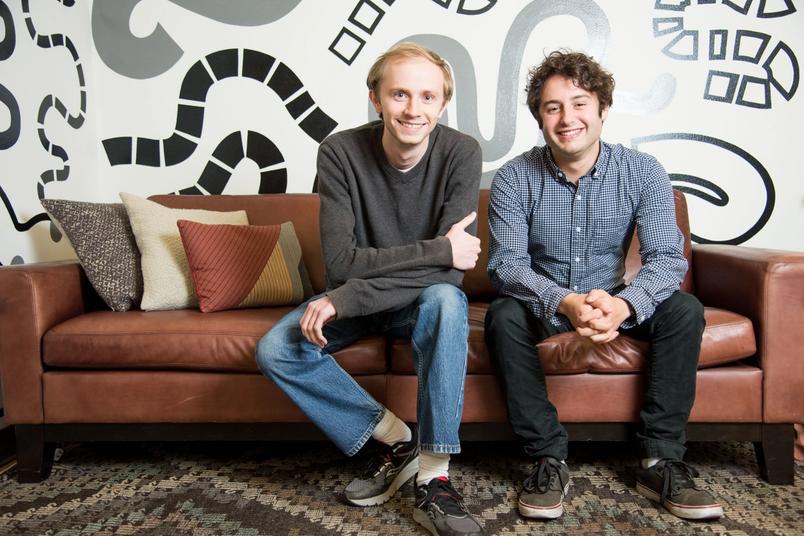
Short for Web Graphics Library, WebGL is a Javascript API for rendering high-performance graphics on the web.
In the early days of Figma, Dylan and Evan knew they wanted to explore using WebGL to power design, but they weren’t quite sure how. “That [was] the hammer, and everything was a nail,” says Dylan. For a moment, they thought memes were the answer. “That was the darkest week of Figma,” he says. “I was pitching Evan saying, ‘I’ve done the research, I’ve looked at the data…Memes are going to be way bigger than we could possibly imagine. We should make a meme creator.” This self-described low point lasted five days before they realized they needed to work on something more serious.
[42:30] As a 20-year-old CEO, Dylan had some growing pains

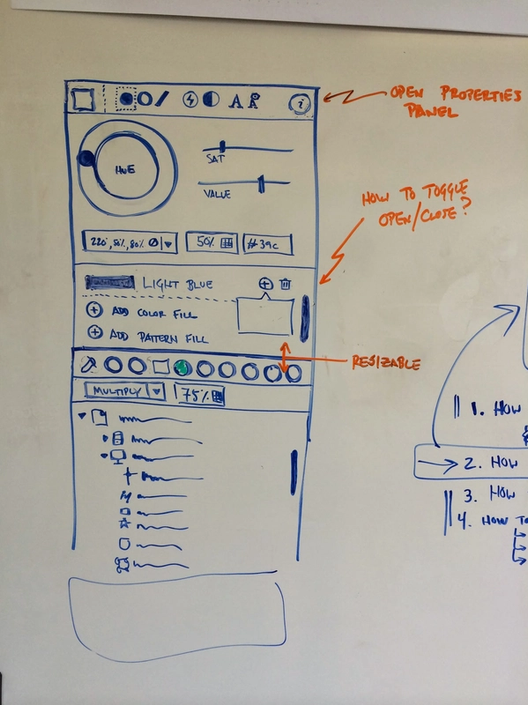

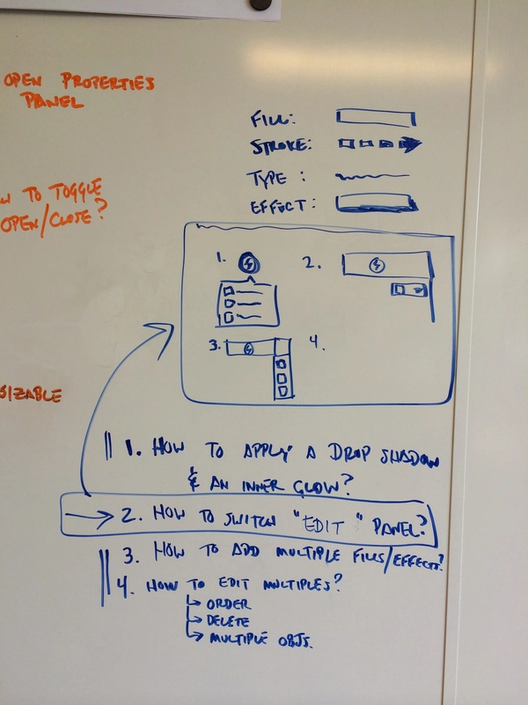
As a young founder whose former title was “intern,” Dylan had to learn how to grow into the role. “Micromanaging is a good way to describe [what I was doing],” he says. “I had thought about every aspect of the product experience we wanted to build, and I felt a lot of pressure to get something out there.” Eventually, after a tense moment at the office, he turned to a mentor: John Lilly, the former CEO of Mozilla. “He knew I had been going through stuff with my [dad’s cancer diagnosis], and that things were getting pretty tough medically,” says Dylan. “He went into the office and talked with folks, and his sense was, ‘This is salvageable…We can get this back on track.’”
[1:04:00] When people started hanging out in Figma during the Covid lockdown, the idea for FigJam was born
During Covid, Dylan started noticing new trends in the ways people were using Figma. “People were illustrating virtual cities to have a sense of community, and we started hearing about how people were brainstorming together and using it as a hangout space,” he says. That gave the team the idea to build a virtual whiteboard and diagramming tool: FigJam. “The thing that kept coming back, for this use case of ideation and brainstorming in a remote way, was fun,” says Dylan. “[So we created features like] if you wave your cursor around, it turns into a giant hand, and you can high-five somebody.” As Dylan knows, paying attention to the community’s needs and creative wants always pays dividends.
[1:18:05] Timing plays a role in Figma’s success—but more importantly, it’s about the people

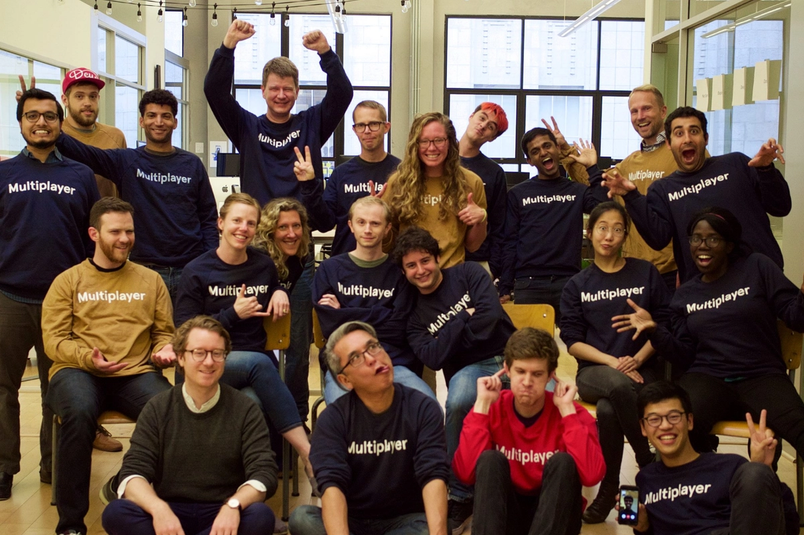
“If we had started this a few years earlier, we wouldn’t have had WebGL,” says Dylan. “A few years later, maybe someone else would’ve already been at it.” But it wasn’t only about getting the timing just right; it was about learning from the right people. “That chance to interact and intersect with Evan, and the fact that we were in the same place at the same time, that was luck for sure,” says Dylan. “There’s always a question in the back of your mind with an incredibly talented team of people: ‘How much am I adding, versus how much is this amazing group of humans around me adding?’”
Hear more of the untold stories behind Figma’s growth in the latest episode of “How I Built This.”