



Our community imagines how AI might bring about more human ways to interact with software.
Share What does the future of software look like?
Photography by Uta Eisenreich
Explore Software Is Culture, a collection of stories about design's influence on how we think and connect.
At the same time, the interactions we design also shape us The software we scroll, tap, pinch, and swipe has irrevocably shaped the way we think and feel. As that software grows more intelligent, we look back on the most influential interactions from the past 20 years to see where we may be headed next.Software is culture
We asked our community to imagine what that might look like. The interactions they share offer ideas about how we relate to technology, understand ourselves, and connect to each other.
Ephemeral tools
Controls that only appear when you click
When you’re working with a creative tool, select an element—a frame, a sentence, a scene—and state what you need to do. The right controls appear around it, surfacing only what’s relevant to that moment. No hunting through menus, no memorizing where things live. When you’re done, they disappear. Someone editing a video that feels too slow selects a clip and sees options for timing, pacing, alternate cuts, and sound bridges. You’re not losing touch with your craft, but accessing the right controls more directly, through context. This bridges the gap between how people think and how tools are structured. Creative work starts with intent—make this clearer, more nuanced, more intense—but traditional software is organized around persistent menus, panels, and modes. When users can focus on decisions rather than mechanics, the conversation shifts from what buttons we pressed to what we changed, and why.
—Itay Schiff, Marketing Director, Figma Weave

Magic marker
A tool that understands sound, gesture, and timing
As you’re refining a design, you can circle something on the screen, drag it toward where it should go, and say, “Move this up here.” The system reads your voice, your cursor path, and your gesture together, just like someone on your team would. If you’re designing motion, you can pick up a layer and bounce it across the screen—and describe timing and easing the way you would in a room of collaborators, using sound effects and body language. This allows you to treat AI like it’s another human. You don’t have to get clever with prompt engineering, and you don’t have to learn how to reference objects within documents. You just talk and point.
—Tom Giannattasio, Product Designer, Figma

Adaptive presence
A system that understands what kind of outputs you need
An intelligent system continuously adjusts how it communicates and acts based on how you respond. It offers structured guidance when you seem lost, steps back when you don’t need it, and shifts between voice, text, and visuals based on the context. It controls pacing, simplifies language, or breaks down information into smaller steps to reduce overwhelm. For decades, humans have had to adapt to machines. The mismatch between system capability and human readiness has only grown more visible as software becomes more powerful, and in domains like healthcare and education, especially with an aging global population, that gap has real consequences. As AI becomes the intelligence layer, this reverses: Systems meet people where they are, instead of the other way around.
—Anna Oh, Head of Product and Design, Norbert Health

Empathetic flows
Interfaces that intuit and adapt to how you feel
The speed at which you type, the pressure of your stylus, the rhythm of your voice, the expression on your face, the number of times you revise the same sentence—all become emotional signals the interface reads, understands, and adapts to. The food delivery app simplifies your options when it detects decision fatigue. The creative tool goes quiet when you’ve found your flow—no prompt boxes, no buttons. The hotel app stops surfacing upgrade options when your check-in pattern says you just want to get to bed. It sends one message instead: Your room is ready. You stop having to articulate what you want. The experience starts giving you what you need.
—Thomas Vidal, VP of Product Design, Accor

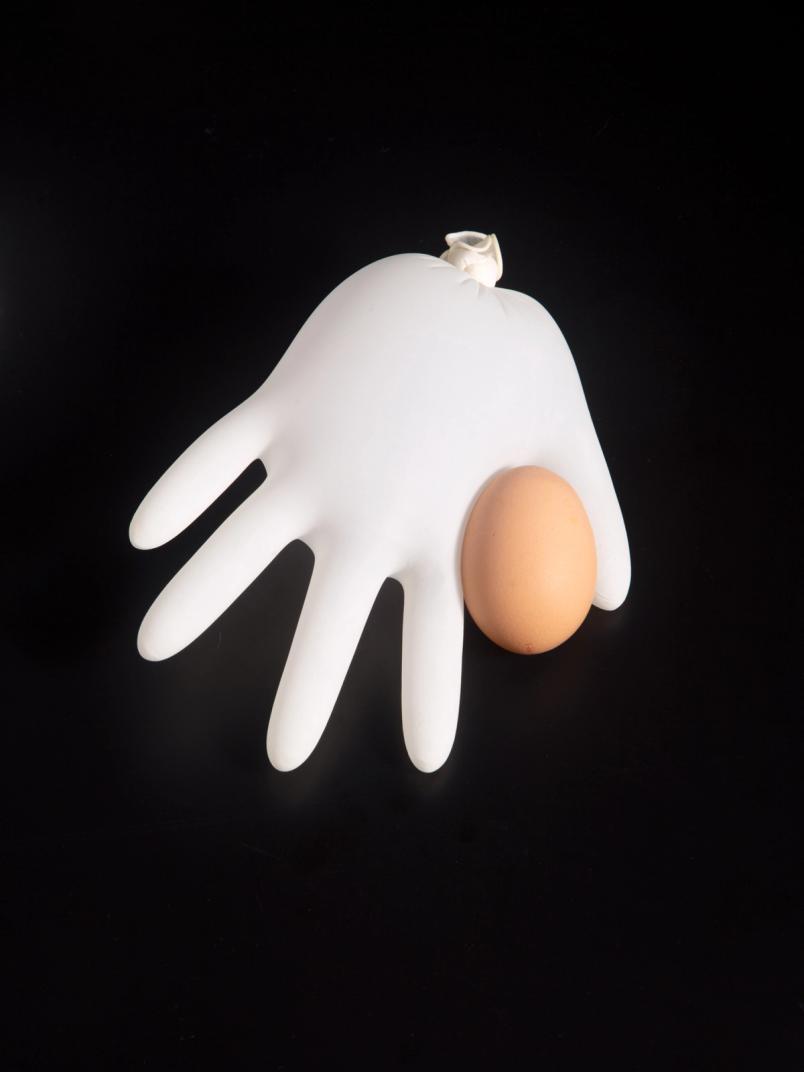
Situational cues
Signals that help you regulate your nervous system
Sound, motion, and pacing are reintroduced as signals that orient you inside an experience. In the early 2000s, digital interfaces were full of these situational cues: the dial-up sound as you went online, the progress bar acting as a passage to the world you were entering, the voice announcing “You’ve got mail.” As technology became faster and more seamless, these cues disappeared, replaced by notifications engineered to grab attention rather than provide orientation. Because our users’ overall tech experience is already so dysregulating, it’s not enough to design something that isn’t overwhelming. We have to actively design experiences that counterbalance the rest of our users’ tech stack—otherwise, we risk losing users not because our product is bad, but because their nervous systems are already maxed out before they arrive. Think: always visible progress bars, sounds that mark transitions, and consistent visual language.
—Jésabel DC, tech anthropologist

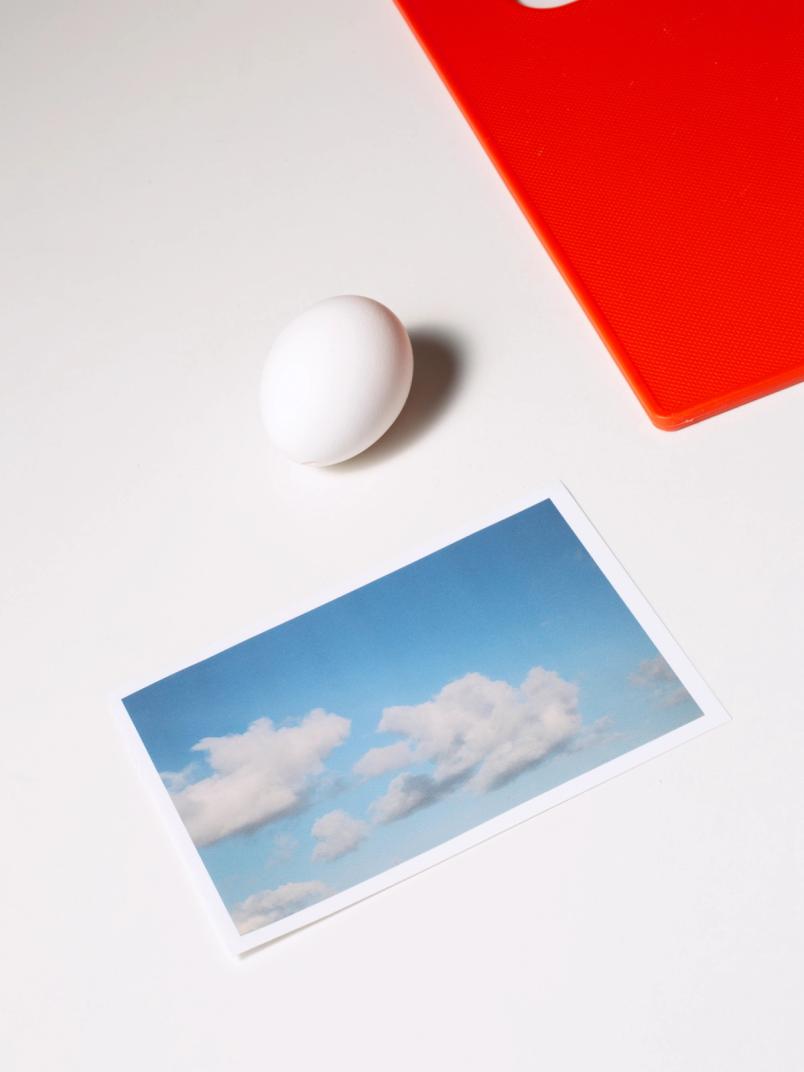
Spatial tuning
A way to control systems with movement
Instead of tapping and clicking screens, you conduct systems. Sweep your hand through the air to shape and bend sounds in music software. Tilt and orient your body to navigate an AR environment. Adjust visuals and motion through gestures in a complex design tool. These embodied interactions require sustained attention—they can’t be rushed or automated the way traditional inputs can. Technology starts demanding presence instead of rewarding speed, and slowing down becomes an intentional part of the experience.
—Lee Black, Founder, 1042 Studio

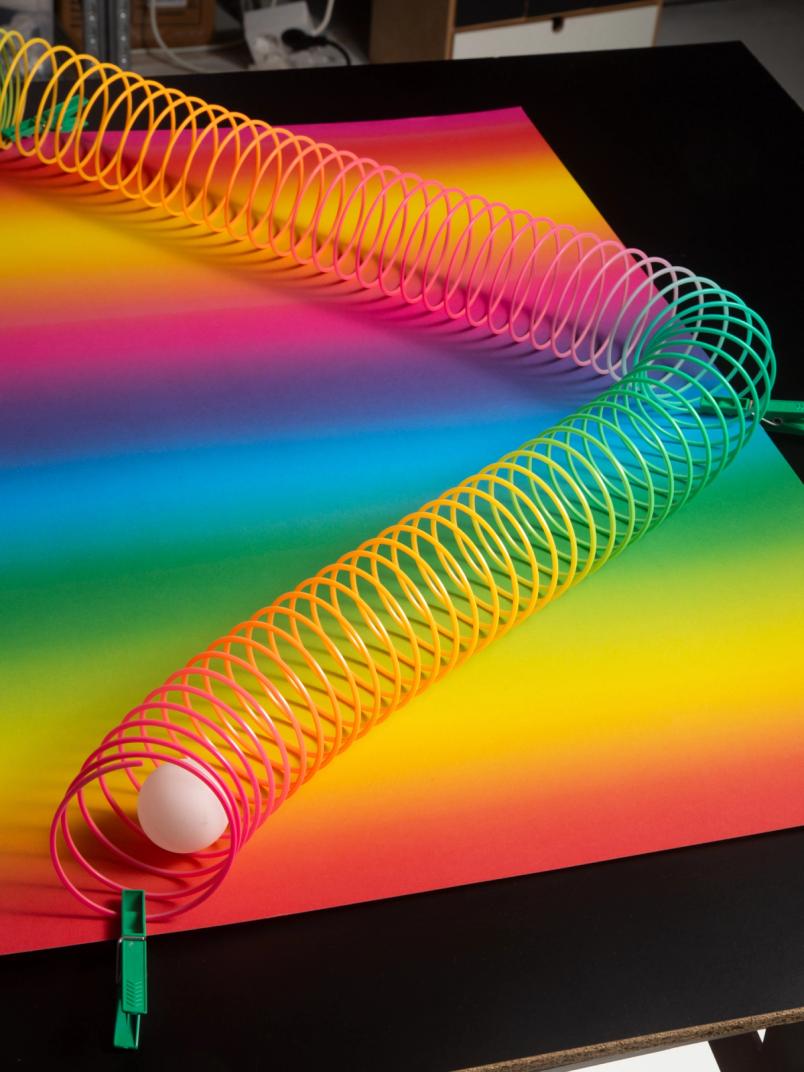
Mash up
The ability to combine any two inputs
Drag two files together on a desktop, press two objects on a touchscreen, or clap two things together with your hands in XR, and the system synthesizes something new from both, blending their structure, tone, and meaning. Mash up a playlist with a city map, and get a running route that matches the music’s emotional arc. Combine a bedtime story with a legal contract, and get terms of service that you might actually want to read. When everything around you becomes raw material, inspiration stops being something you wait around to find—and something you physically create.
—Luke Fiorante, design engineering student, Harvard University

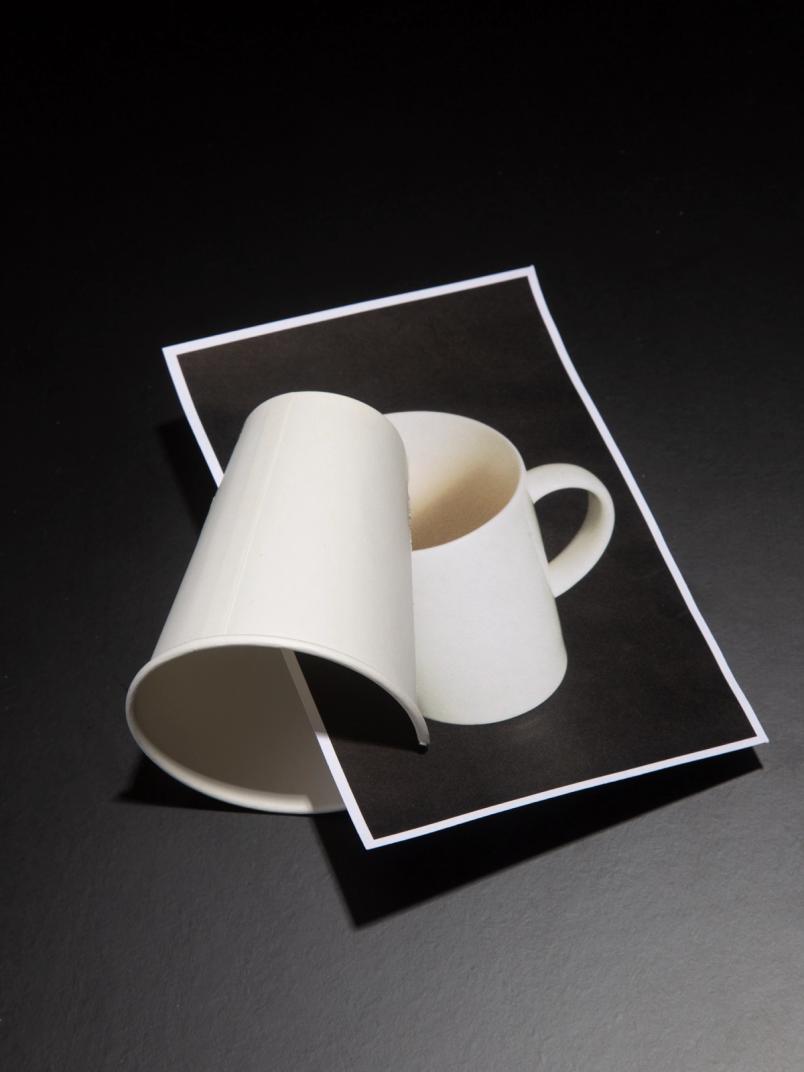
Hold-to-preview
A way to forecast how a decision unfolds
Press and hold a decision to see where it leads. Hold a drafted message to simulate how the conversation might unfold. Hold a purchase to see patterns of how you'll actually use it. Hold a to-do item to project its long-term effects. These aren’t generic predictions. They’re dynamic, scenario-based simulations grounded in your own data, turning the future from something abstract into something you can foresee and navigate. At scale, the implications go beyond personal decisions: applied to finance, health, or public policy, we’re able to make more informed and lasting choices for society.
—Sirinda Limsong, design engineering student, Harvard University

Mark-to-stay
A way to pin content to a co-created space
Leave a mark on a shared, persistent surface, and it stays there for everyone who visits, layered alongside contributions from others over time. Unlike feeds dictated by your own algorithm or hidden behind your personal login, these spaces are timeless and communal. Contributions accumulate, becoming community murals, neighborhood canvases, or classroom projects. It shifts what it means to be online from broadcasting yourself into a feed to building something that belongs to everyone.
—Charlota Blunárová, brand designer