

AI code generator, built into Figma Make
Turn your ideas into working code—just prompt what you want.
Generate front-end code with AI

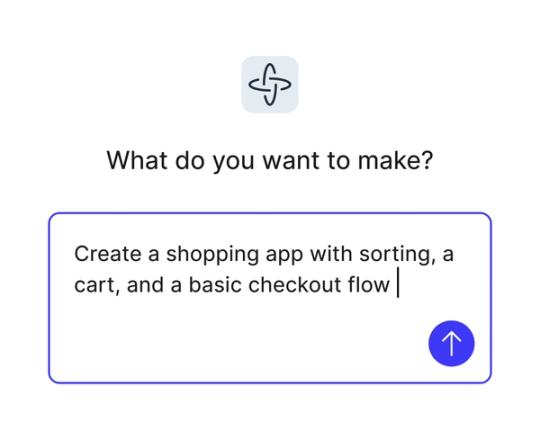
Turn ideas into reality
Skip the dev backlog and bring your concepts to life as interactive flows, dashboards, and complete apps from natural language prompts.

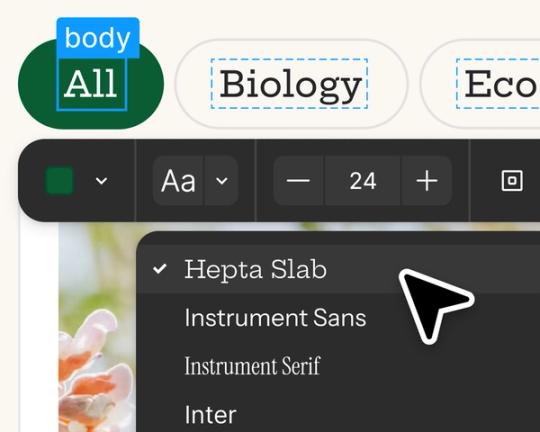
Edit and iterate with AI
Start with prompts, then refine in the visual editor, adjust the code for more control, or prompt again to explore new directions.

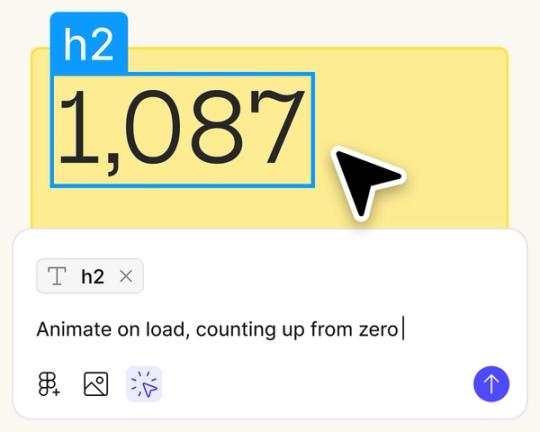
Design and build in one place
Stay in flow as you create, test, and refine in a single workspace, without switching between design and dev tools.

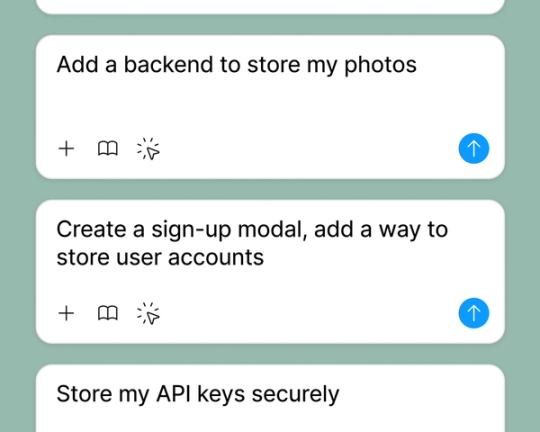
Test interactions with real data
Connect to a backend to preview exactly how your app will look and behave with live, user-driven data.
Built by real teams
See how makers, designers, and PMs are using Figma Make to build no-code web apps—from internal tools to product MVPs.
- Jacques Debeuneure Jr.
- Daniela Muntyan

- kishoree04u

- Seungmee Lee


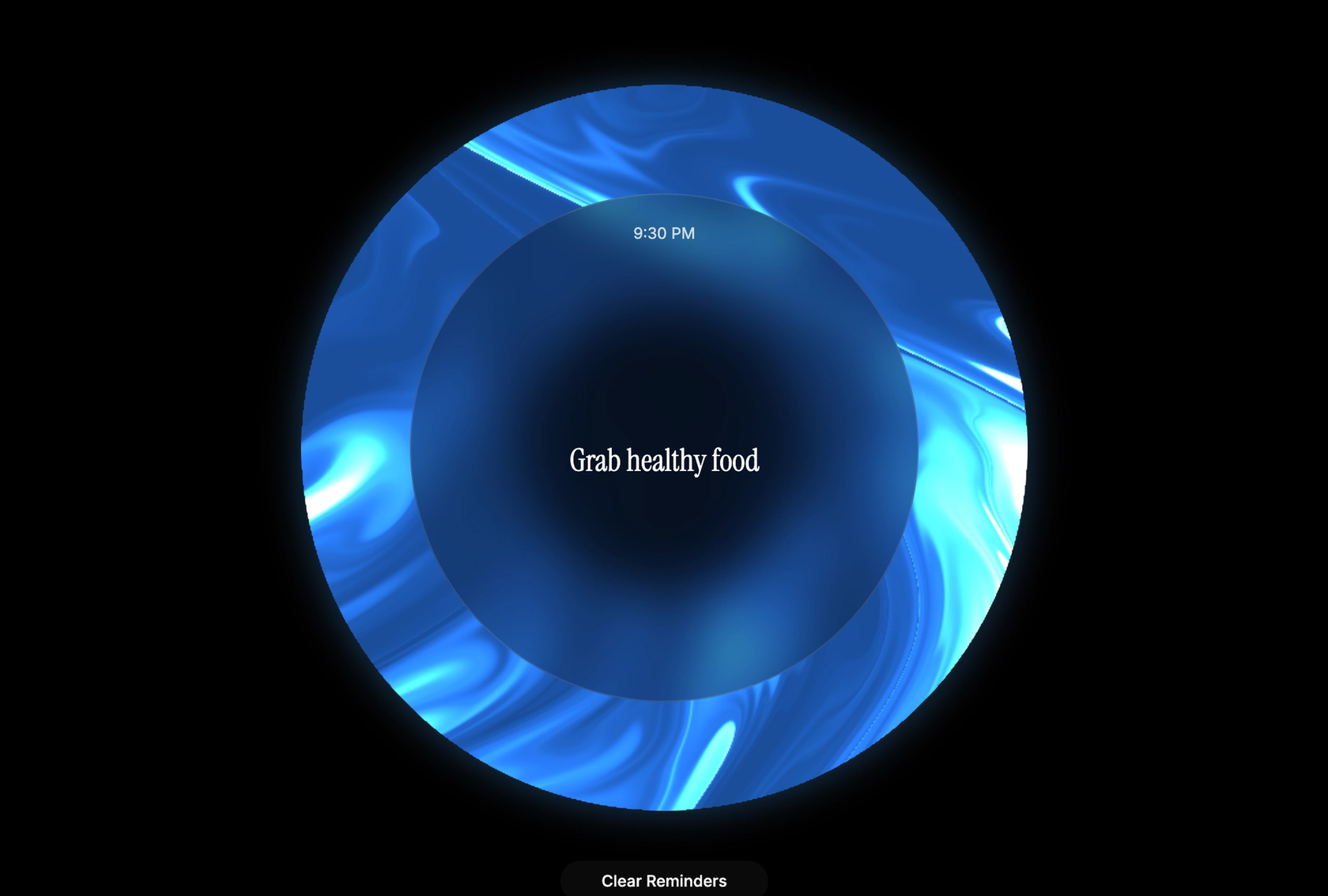


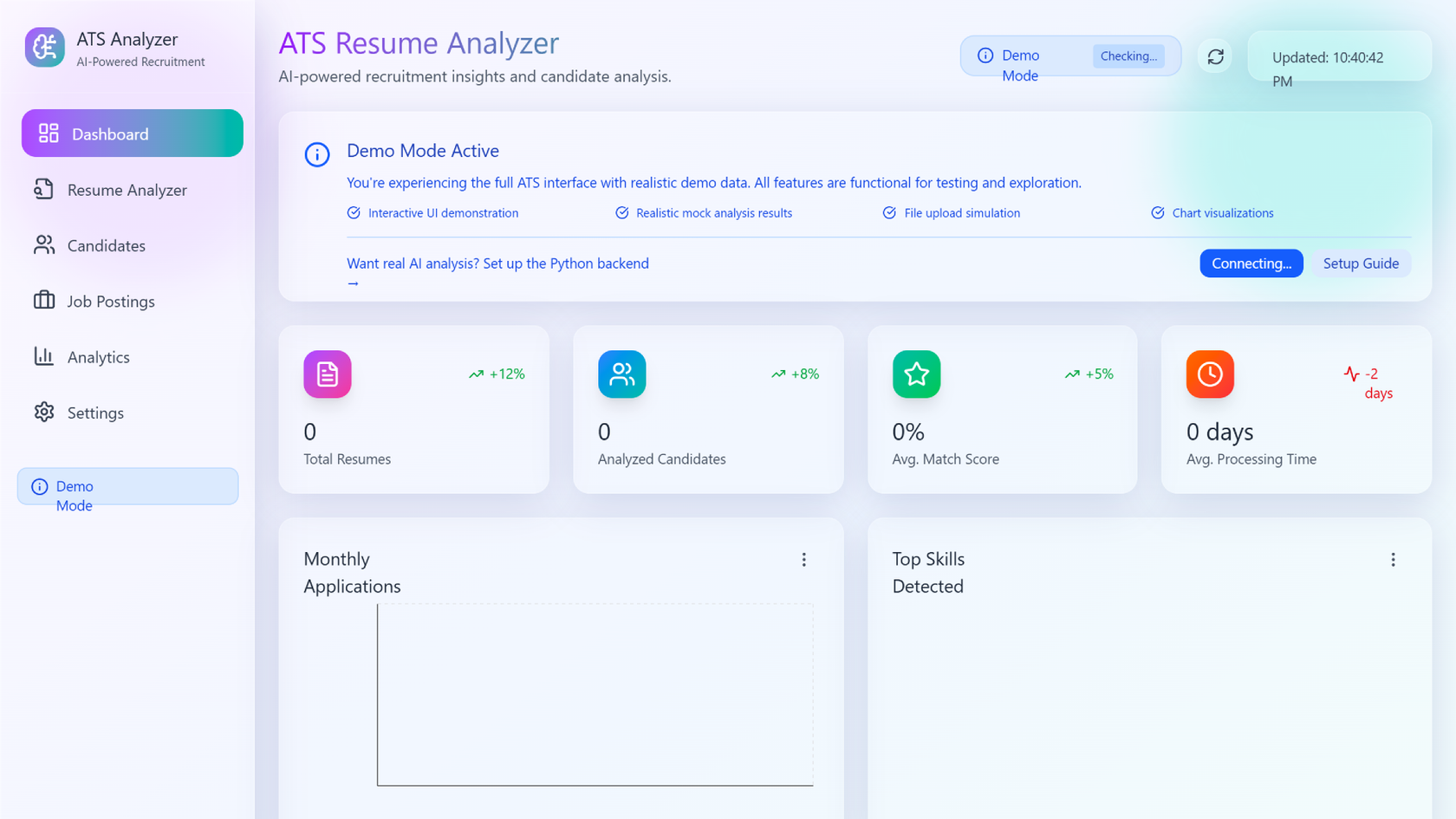


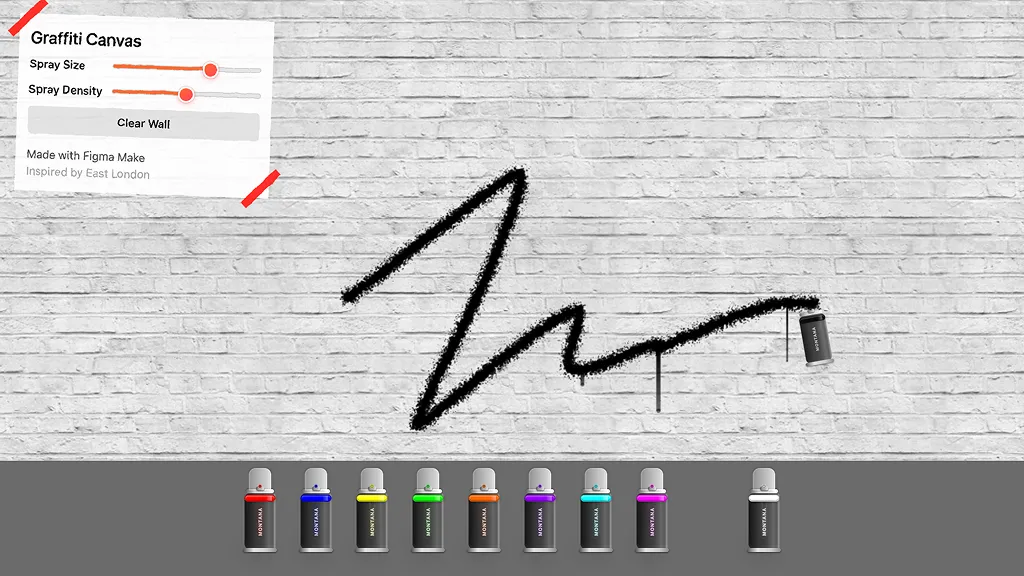

How to generate code with AI in Figma Make
Start from scratch in Figma Make or use an existing frame from Figma Design.
Use a natural language prompt to define the layout, flow, and functionality you want.
Figma Make turns your prompt into an interactive prototype.
To tweak layout, add animation, or adjust logic, just prompt again. Or refine directly in the editor.
FAQs
An AI code generator automatically produces clean, usable code from prompts or designs. In Figma Make, you can generate HTML, CSS, and JavaScript from your layout and logic—ready to export or refine.
Yes. When you use prompts to build logic or behavior, you can view and edit the underlying code in the built-in editor.
Yes. Every prompt produces an interactive prototype that behaves like a real app—so you can preview, adjust, and extend it.
Yes. You can get started on a free Starter plan. Access to publishing and code editing is available on paid plans.
Figma Make generates functional code to power layouts, behaviors, and interactions. You can view and edit it directly in the editor.
Yes. You can publish your prototype with working interactions, or export code depending on your plan.
No coding experience required. But if you want to go deeper, the generated code is fully visible and editable.
Yes. Figma Make integrates with a backend so you can use real content or API data.
Yes, and the shift is measurable. Figma's State of the Designer 2026 report found that 80% of designers who increased their AI usage say it helps them collaborate more effectively—particularly across design and development. Tools that close the gap between design intent and working code are central to that shift.
The data points that way. According to Figma's State of the Designer 2026 report, designers increasing their AI usage are more likely to say their company is growing faster than the industry average (41% vs. 33% for those whose usage has stayed flat). Teams that champion AI are also more likely to perceive their company as growing faster than the industry average—which is exactly what removing the design-to-dev bottleneck enables.
From the blog
A properties panel and annotations, now in Figma Make
With visual editing and annotations, Figma Make is bridging the gap between design and code. Select any element you want to change, adjust it directly in the properties panel, or write in-context prompts with annotations.
Workflow lab: Deploying designs directly with Figma Make
The handoff from design to code doesn't have to be a one-way street. This workflow shows how a designer can connect a codebase to Figma Make, make the changes directly, and bring the whole team into review—right up to the PR.

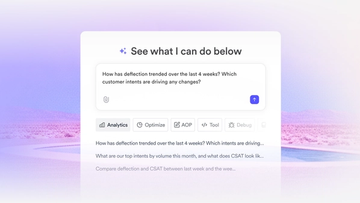
How Decagon uses AI for design system saturation
The fast-growing customer experience platform explains how Figma MCP and Figma Make helped them scale a new design system and keep pace with customer requests.
GPT-5.6 is now available in Figma Make
With accurate first results and fast iterations, OpenAI’s GPT-5.6 gives your builds a strong start in Figma Make.

Got skills? Make the Figma agent a better collaborator
From sharing your best thinking to learning from your team’s go-to prompts, here’s what skills unlock in the Figma agent.


4 ways we’re using our MCP server at Figma
The Figma MCP server reaches further across the platform than it ever has. From updating a living deck to shipping a design to production—here's what that looks like in practice.
More resources

What is MCP?
Read articleLearn about Model Context Protocol (MCP), the open standard that simplifies AI integration like a USB-C for data.


What is Vibe coding?
Read articleVibe coding combines mood-driven design with seamless coding to create immersive digital experiences that connect emotionally and function flawlessly.


How to design an app in five steps
Read articleBuilding an app requires research and constant iteration to meet customer needs. Learn how to design an app and how Figma can help in this guide.